Archives
- 2026-11
- 2026-10
- 2026-09
- 2026-08
- 2026-07
- 2026-06
- 2026-05
- 2026-04
- 2026-03
- 2026-02
- 2026-01
- 2025-12
- 2025-11
- 2025-10
- 2025-09
- 2025-03
- 2025-02
- 2025-01
- 2024-12
- 2024-11
- 2024-10
- 2024-09
- 2024-08
- 2024-07
- 2024-06
- 2024-05
- 2024-04
- 2024-03
- 2024-02
- 2024-01
- 2023-12
- 2023-11
- 2023-10
- 2023-09
- 2023-08
- 2023-07
- 2023-06
- 2023-05
- 2023-04
- 2023-03
- 2023-02
- 2023-01
- 2022-12
- 2022-11
- 2022-10
- 2022-09
- 2022-08
- 2022-07
- 2022-06
- 2022-05
- 2022-04
- 2022-03
- 2022-02
- 2022-01
calcium sensing receptor br Lactate metabolism L Lactate is
2022-01-27
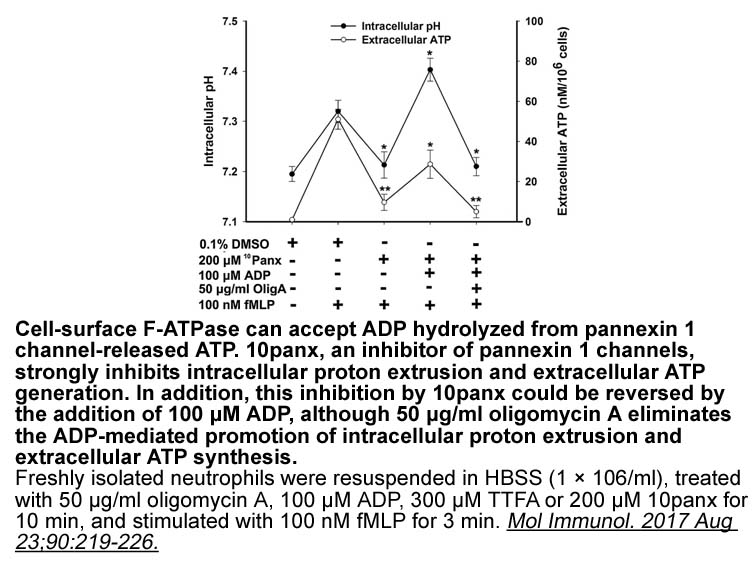
Lactate metabolism L-Lactate is an intermediate metabolite in glucose metabolism. Glucose can be broken down to pyruvate, and pyruvate can be either further oxidized to acetyl-CoA and enter the TCA cycle, or reduced to L-lactate by lactate dehydrogenase (LDH). In turn, LDH can oxidize L-lactate t
The mechanisms by which NEIL
2022-01-27
The mechanisms by which NEIL1 and NEIL3 excise bulky adducts and unhook ICLs are unclear. Structures of NEIL1 are available only in complex with DNA containing small lesions 79., 80., 81., and the single available structure of NEIL3 lacks DNA (Figure 5D,E) [73]. Nonetheless, comparison of the two st
In this study for the first time
2022-01-27
In this study, for the first time: 1) the electrochemical glutamate oxidase-based biosensor was optimized for the determination of low micromolar glutamate concentrations; 2) the algorithm of the analysis of exocytotic and transporter–mediated glutamate release was developed; 3) the comparative anal
Introduction Glucose is the most
2022-01-26
Introduction Glucose is the most important energy carrier of the brain. Glucose transporter type 1 (Glut1) is located at the blood–brain barrier and assures the energy-independent, facilitative transport of glucose into the brain [1]. Twelve transmembrane segments of the protein and an intracellula
br Conclusions The results of this
2022-01-26
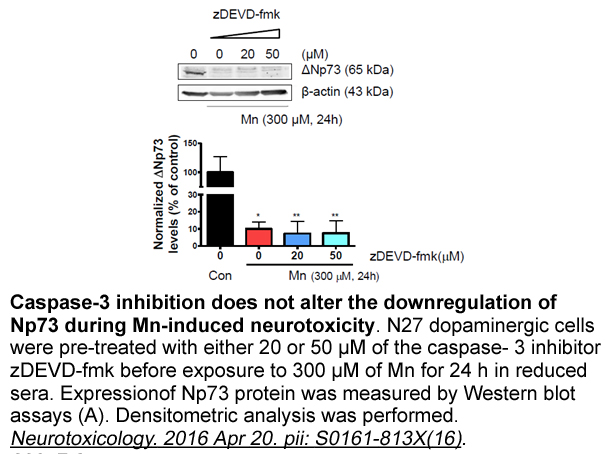
Conclusions The results of this work showed that β-glucosidase could be efficiently immobilized onto hydroxyapatite nanoparticles in a single adsorption step. The enzyme adsorption was accomplished by coordination bonds between remaining Ca2+ sites of HA and COO− of amino acids. The immobilizatio
The effect of GCK NES mutations on
2022-01-26
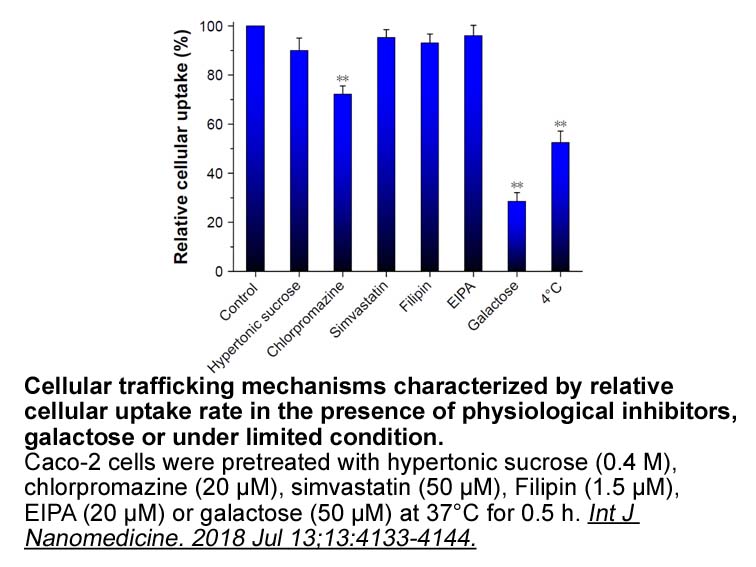
The effect of GCK-NES mutations on enzyme kinetics and protein stability might account for the hyperglycaemia that characterizes MODY2 patients, since reduced GCK activity would increase the threshold for glucose stimulated insulin release in beta-cells [31,37,49]. However, a more in depth functiona
Work in the Ruiz i Altaba
2022-01-26
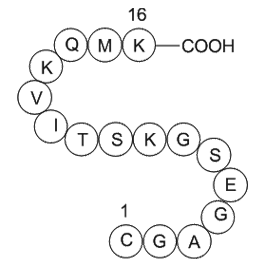
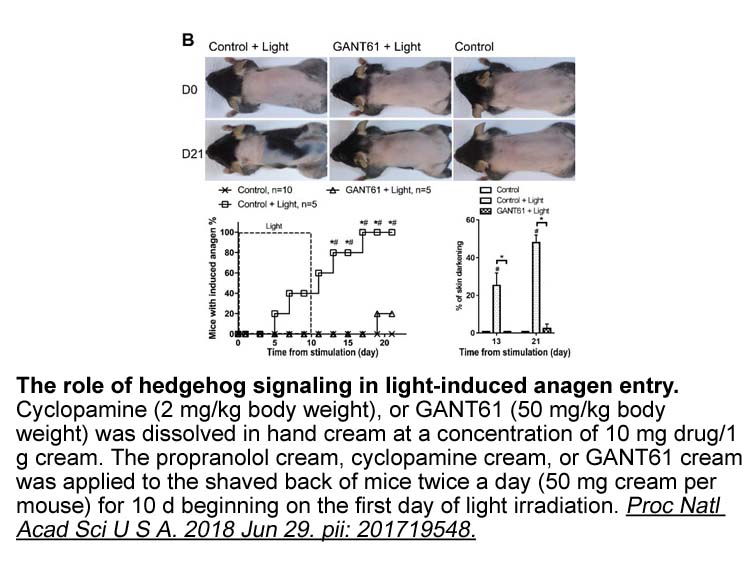
Work in the Ruiz i Altaba lab was funded by grants from the Swiss National Science Foundation, the Ligue Suisse Contre le Cancer, the European FP7 Marie-Curie Initial Training Network HEALING, a James McDonnell Foundation 21st Century Science Initiative in Brain Cancer-Research Award and funds from
Despite potent biological actions the
2022-01-26
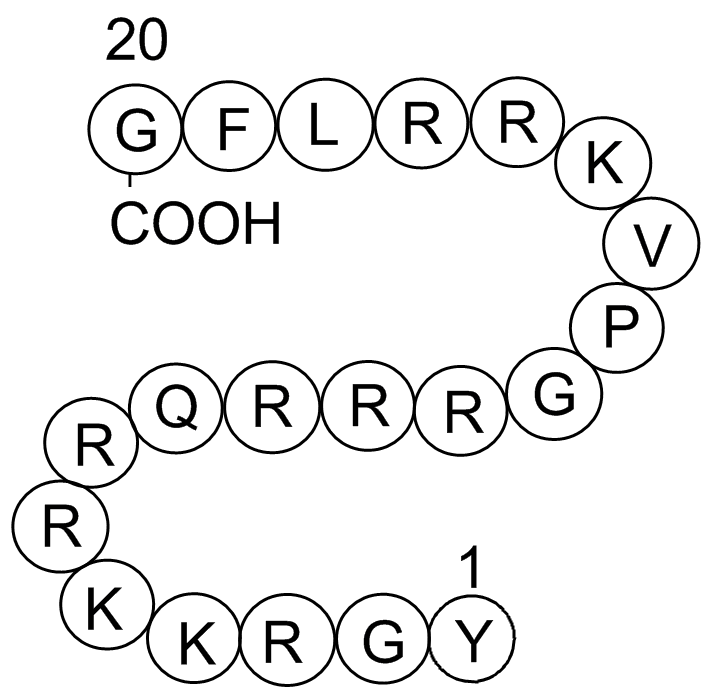
Despite potent biological actions, the native hormone undergoes degradation by the enzyme dipeptidylpeptidase-IV (DPP-IV) [17] and is rapidly cleared from the bloodstream by renal filtration [18]. One such approach to prolong the biological half-life of GIP is through conjugation with a polyethylene
br Voltage dependent anion channel VDAC is a ubiquitous
2022-01-26
Voltage-dependent anion channel VDAC is a ubiquitous protein showing well conserved structural and functional properties in spite of major variations in its sequence (for review see [50]). Most of what we know about VDAC electrophysiological properties (for reviews, see [51], [52]) was initially
Based on the above considerations the galactosidase
2022-01-26
Based on the above considerations, the β-galactosidase gene from Exiguobacterium acetylicum MF03 (not previously reported) was cloned, expressed and purified with the aim of assessing the potential of this novel enzyme for catalyzing reactions of synthesis and hydrolysis of glycosides. Because of E.
br Materials and methods br Results br Discussion Zn is
2022-01-26
Materials and methods Results Discussion Zn2+ is an extremely abundant transition metal in the synaptic vesicles of hippocampal glutamatergic mossy fibers and remains a key factor in the modulation of neuronal plasticity (Assaf and Chung, 1984). Disruption of Zn2+ homeostasis is associated
The exact mechanism by which N
2022-01-26
The exact mechanism by which N-BPs inhibit FPPS remains unclear. Computer modeling [10] suggests that N-BPs mimic the structure of the enzyme’s natural isoprenoid pyrophosphate substrates, geranyl pyrophosphate (GPP)/dimethylallyl pyrophosphate (DMAPP) or act as carbocation transition state analogs
Despite these data implicating Kdm b as
2022-01-26
Despite these data implicating Kdm6b as a positive regulator of neuronal differentiation, and surprisingly, given the evidence that germline knockouts die perinatally due to an inability to breathe, the brains of Kdm6b knockout mice are remarkably normal in gross morphology [26,]. Interestingly, Kdm
AMN-107 sale Obesity may be associated with allergic disease
2022-01-26
Obesity may be associated with allergic diseases (including atopy, asthma, and allergic rhinitis) in children.9, 10, 11 Furthermore, body mass index (BMI) may be associated with bronchial hyper-responsiveness.9, 12 Nevertheless, the relationship between histamine skin reactivity and BMI is poorly un
br Experimental br Acknowledgment br Introduction Hepatitis
2022-01-26
Experimental Acknowledgment Introduction Hepatitis C virus (HCV) belongs to Flaviviridae, is a blood-borne pathogen which infects about 180 million individuals throughout the world; most of the cases lead to end stage liver diseases, fibrosis, cirrhosis and hepatocellular carcinoma (Choo et
8626 records 561/576 page Previous Next First page 上5页 561562563564565 下5页 Last page